The process of splitting stone involves using specialized tools, such as a stone splitter or chisels, to create a clean break. These tools apply force to the stone, allowing for precise and efficient splitting.
How to split stone with a chisel?
To split stone with a chisel, position the chisel along the desired split line, strike it firmly with a hammer, and follow the line with controlled, even blows until the stone separates.
How to make stone shears in Minecraft?
To make stone shears in Minecraft, combine two stone blocks and one stick in your crafting table, placing the stone blocks diagonally and the stick vertically in the center slot.
How to sharpen shears with a stone?
The process of sharpening shears with a stone involves holding the shears at a 20-degree angle against the stone's surface and sliding the blade across in a smooth, sweeping motion. Repeat this a few times on each side for optimal results.
How to make a stonecutter in Minecraft?
To make a stonecutter in Minecraft, you need three stone blocks placed in a row along the top, with one iron ingot directly below the center stone block in the crafting table.
What tools are best for splitting stone?
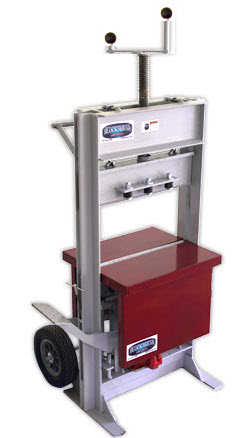
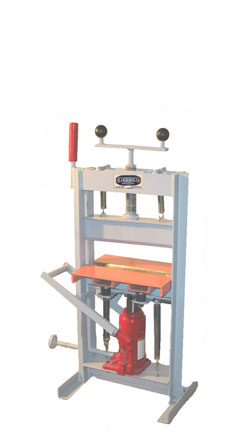
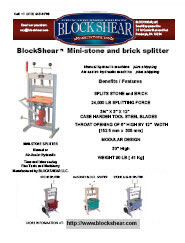
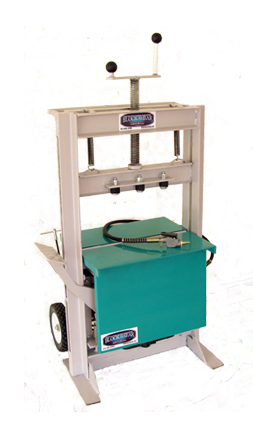
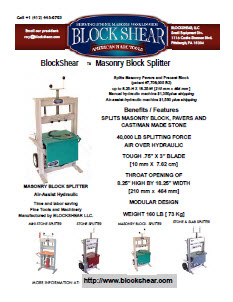
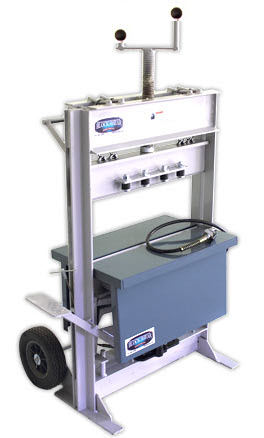
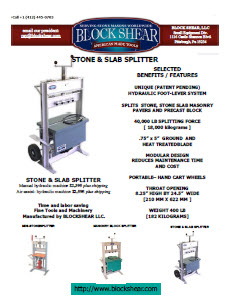
The best tools for splitting stone include specialized equipment such as a Stone Splitter, Mini Stone Splitter, and Masonry Block Splitter, designed for efficiency and precision in masonry tasks.
How do stone splitters enhance efficiency?
Stone splitters enhance efficiency by allowing masons to precisely and quickly split stone and masonry blocks, reducing manual labor and time spent on each project. This results in improved productivity and consistent, high-quality finishes in masonry work.
What techniques improve stone splitting accuracy?
Techniques to improve stone splitting accuracy include using a high-quality splitter, marking cut lines clearly, evenly distributing pressure during splitting, and ensuring the stone is securely positioned. Proper alignment and consistent tool maintenance also enhance precision.
How does a hydraulic stone splitter work?
A hydraulic stone splitter works by using hydraulic pressure to generate a powerful force that splits stone or masonry materials. The splitter uses oil to transfer force from a pump to a cutting blade, effectively cleaving tough materials with precision and ease.
What are the safety precautions for stone splitting?
The safety precautions for stone splitting are essential to ensure worker safety and prevent accidents. Always wear appropriate personal protective equipment, including goggles, gloves, and steel-toed boots, and ensure a secure work area free of hazards.
Are electric stone splitters more effective?
Electric stone splitters are often more effective due to their power, efficiency, and ability to handle larger, tougher materials with precision, making them a preferred choice for professionals in masonry work.
What types of stone are easiest to split?
The types of stone that are easiest to split include soft rocks like limestone, sandstone, and certain types of shale. These materials typically have natural planes of weakness, making them more manageable for masonry professionals to split efficiently.
How to maintain a stone splitter?
Maintaining a stone splitter involves regularly cleaning the blades and body, lubricating moving parts, checking for wear or damage, and ensuring all bolts and fasteners are tightened. Proper maintenance ensures optimal performance and longevity of your tool.
What is the cost range for stone splitters?
The cost range for stone splitters typically varies from $300 to $2,500, depending on the type, size, and features of the equipment. High-quality, American-made splitters from Block Shear fall within this range, ensuring durability and efficiency for masonry professionals.
How does stone quality affect splitting method?
The quality of stone significantly influences the splitting method used. Higher-quality stone, characterized by consistent density and fewer impurities, typically allows for more efficient, direct splitting techniques, while lower-quality stone may require more specialized methods to achieve desired results.
What are common mistakes in stone splitting?
Common mistakes in stone splitting include using improper tools, miscalculating the stone's natural grain, insufficient safety measures, and neglecting to handle the material correctly. These errors can lead to poor results and potential injuries.
How to choose the right chisel for stone?
Choosing the right chisel for stone involves selecting a tool based on the type of stone you’re working with, the chisel's width, and the intended purpose, ensuring it effectively meets your masonry needs.
What are the best shears for stone cutting?
The best shears for stone cutting are high-quality tools designed specifically for masonry tasks, such as the Block Shear Stone Splitter and Mini Stone Splitter, known for their durability and efficiency in handling various stone types.
What role does pressure play in stone splitting?
The role of pressure in stone splitting is crucial, as it effectively generates the force needed to fracture the stone along predetermined lines, ensuring clean and precise splits essential for masonry work.
How to identify suitable stone for shears?
Identifying suitable stone for shears involves assessing its hardness and density. Ideally, choose stones that are dense, such as granite or basalt, as they withstand the pressure of splitting and ensure efficient use of your block shear tools.
What materials are used in making stone cutters?
The materials used in making stone cutters include high-quality steel for durability and strength, along with specialized alloys that enhance cutting precision. These materials ensure the tools withstand rigorous use while providing clean splits in various stone types.
How to increase the lifespan of stone tools?
To increase the lifespan of stone tools, ensure they are regularly cleaned after use, properly maintained, and stored in a dry environment to prevent rust and damage. Additionally, use them according to manufacturer guidelines to maximize their durability.
What advantages do hydraulic systems offer for splitting?
The advantages of hydraulic systems for splitting are significant. They provide powerful force, precision control, and efficiency, allowing stone masons to split materials effectively while minimizing physical effort and maximizing productivity.
What is the main function of a stone shear?
The main function of a stone shear is to efficiently split and shape stone materials, aiding stone masons in achieving precise cuts for their masonry projects.
How to troubleshoot common stone splitting issues?
Troubleshooting common stone splitting issues involves checking for blade alignment, ensuring consistent pressure, and verifying that the stone is properly positioned. Additionally, inspect the tool for wear and tear to maintain optimal performance.
What is the difference between manual and hydraulic splitters?
The difference between manual and hydraulic splitters lies in their operation and efficiency. Manual splitters require physical force to operate, while hydraulic splitters use hydraulic pressure, making them easier and quicker for cutting through tougher materials.
How to use a stone splitter effectively?
To use a stone splitter effectively, ensure the stone is securely positioned, align the blade on the desired splitting line, and apply steady, even pressure while operating the tool to achieve clean, precise splits.
What innovations exist in stone splitting technology?
Innovations in stone splitting technology include advancements in hydraulic systems for increased efficiency, precision cutting tools that reduce wastage, and ergonomic designs that enhance user comfort, all aimed at improving the performance and experience for masonry professionals.
How are stone masons trained in splitting techniques?
Stone masons are trained in splitting techniques through a combination of hands-on experience, apprenticeships, and specialized training programs that emphasize safety and the effective use of tools like block splitters.
What environmental factors affect stone splitting?
The environmental factors that affect stone splitting include the temperature, humidity, and the moisture content of the stone. These conditions can influence the hardness and brittleness of the material, impacting the efficiency of the splitting process.
stone splitter, block shear, shear block, Stone working tools, Stone mason tools, Masonry tools, Brick splitter, Portable stone splitter, Block splitter, Masonry block splitter, Mini stone splitter, Hydraulic stone splitter, Stone and slab splitter, shear stone, natural stone splitter, stonesplitter, concrete block splitters, stone splitting machine
Quality Stone Splitting Tools for Masonry Professionals
Elevate Your Masonry Craft with Block Shear's Innovative Tools
At Block Shear, we are dedicated to providing masonry professionals with the highest-quality stone splitting tools that enhance efficiency and productivity. Our American-made products are designed to handle a wide range of materials, from soft sandstone to tough granite, allowing you to tackle any masonry project with precision and ease.
Explore our comprehensive range of tools, including the powerful Stone Splitter, versatile Mini Stone Splitter, and the rugged Masonry Block Splitter. Crafted with durability and performance in mind, these tools are essential for stone masons seeking to elevate their craft and achieve exceptional results.
Splitting Stone with Precision and Control
Effective stone splitting requires a delicate balance of technique and the right tools. Our stone splitting solutions are designed to provide you with the control and precision needed to make clean, accurate splits every time. Whether you're working with large blocks or intricate slabs, our tools are engineered to handle the demands of your masonry projects.
Discover how our innovative features, such as adjustable pressure settings and ergonomic designs, can streamline your workflow and reduce physical strain, allowing you to work with greater efficiency and focus on the quality of your craft.
Explore Our Comprehensive Brochures for Block Shear Tools
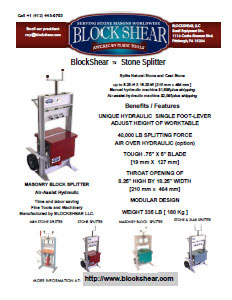
To learn more about our extensive range of stone splitting tools, download and review our comprehensive brochures. These resources provide detailed information about the features, specifications, and applications of each product, empowering you to make informed decisions that align with your masonry needs.
Our knowledgeable team is also available to answer any questions you may have and provide personalized recommendations to ensure you find the perfect tools for your projects. Contact us today to unlock the full potential of your masonry work.
Frequently Asked Questions
Explore our comprehensive FAQ section to find answers to common questions about stone splitting techniques, tool maintenance, and the selection of the right equipment for your needs. Whether you're a seasoned stone mason or new to the craft, these resources will help you navigate the intricacies of working with various stone materials and achieve exceptional results.
If you don't find the information you're looking for, feel free to reach out to our team. We're here to provide the support and guidance you need to tackle your masonry challenges with confidence.