Frequently Asked Questions
What is the purpose of a splitter?
The purpose of a splitter is to efficiently divide various types of stone and masonry products into manageable sizes, allowing masonry professionals to achieve precise cuts and enhance their workflow in construction projects.
What does a block splitter do?
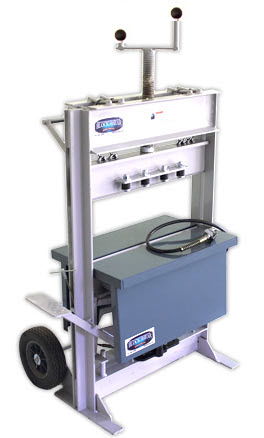
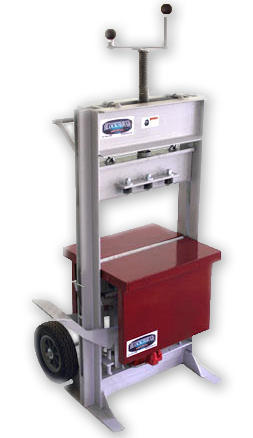
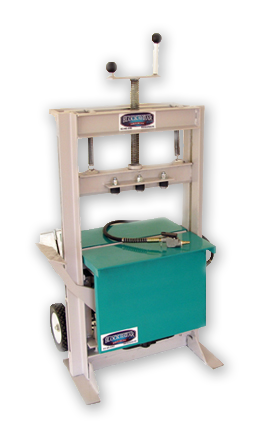
A block splitter is a specialized tool designed to efficiently split various types of stone and masonry products, enabling professionals to create precise cuts and shapes required for construction and landscaping projects.
How do you split stone?
Splitting stone involves using specialized tools like a stone splitter, which applies precise pressure to fracture the stone along predetermined lines. This method ensures clean, straight splits for masonry projects.
How to use stonecutter?
The proper way to use a stonecutter involves securely positioning the stone, adjusting the blade for the desired depth, and following a steady, straight line while cutting. Always prioritize safety by wearing protective gear and ensuring a clear work area.
How to split stone with a chisel?
Splitting stone with a chisel involves carefully marking the desired line on the stone, then using a chisel and hammer to create a groove along the line. Strike the chisel with controlled force to fracture the stone along the marked line.
What types of materials can a splitter handle?
The types of materials a splitter can handle include various stones and masonry products, such as granite, limestone, brick, and concrete. These tools are designed for efficient and precise splitting of hard materials, making them ideal for masonry professionals.
How efficient is a stone splitter?
The efficiency of a stone splitter lies in its ability to quickly and precisely split various types of stone with minimal effort. This tool significantly reduces labor time while ensuring consistent and clean cuts for masonry projects.
Are stone splitters portable for job sites?
Stone splitters are designed to be portable for job sites, allowing masonry professionals to easily transport them to various locations while ensuring efficiency and ease of use in their stone splitting tasks.
What safety features should a splitter have?
The essential safety features a splitter should have include protective guards, emergency stop buttons, secure clamps for holding stone, and safety interlocks to prevent accidental operation. These features ensure operator safety and minimize the risk of accidents during use.
How to maintain a stone splitter properly?
Proper maintenance of a stone splitter involves regular cleaning, lubricating moving parts, and checking for wear and tear. Ensure to keep the cutting edges sharp and inspect hydraulic systems for leaks to maintain optimal performance.
What is the best technique for splitting stones?
The best technique for splitting stones involves using a stone splitter or chisel and hammer method. Properly positioning the stone and applying consistent force ensures a clean, efficient split while minimizing damage to the material.
Can splitters work on various stone types?
Stone splitters can effectively work on various types of stone, including granites, marbles, and limestones, making them versatile tools for masonry professionals. Their design ensures efficient splitting regardless of stone density and composition.
What are the benefits of using a splitter?
The benefits of using a splitter are significant efficiency and precision in stone masonry. Splitters enable clean, straight cuts, reducing waste and labor time while enhancing safety, making them essential tools for masonry professionals.
Are electric or manual splitters more effective?
The effectiveness of electric versus manual splitters depends on the specific project needs. Electric splitters offer higher power and efficiency for larger tasks, while manual splitters provide portability and control for smaller jobs.
How to identify high-quality stone splitting tools?
Identifying high-quality stone splitting tools involves assessing their construction materials, design efficiency, and manufacturer reputation. Look for tools made from durable materials, proven effectiveness, and positive reviews from masonry professionals.
What dimensions should I consider for a splitter?
The dimensions to consider for a splitter include the length of the blade, the maximum material height, and the work surface area. Ensuring these dimensions match your specific stone sizes will enhance efficiency and effectiveness in your masonry projects.
How does a stonecutter compare to a splitter?
A stonecutter and a splitter serve different purposes in masonry. A stonecutter is designed for precise cutting and shaping of stone, while a splitter focuses on efficiently breaking stones along predetermined lines, allowing for quicker and more uniform splitting.
What additional tools complement a stone splitter?
Additional tools that complement a stone splitter include chisels for precision shaping, diamond blades for cutting, and a masonry hammer for fine adjustments. Together, these tools enhance efficiency and accuracy in stone masonry projects.
Can splitters be used underwater techniques?
Splitters can be used with underwater techniques, but it's important to ensure they are specifically designed for such conditions to maintain performance and safety. Always consult the manufacturer's guidelines before use.
How to troubleshoot common splitter issues?
Troubleshooting common splitter issues involves checking for proper alignment, ensuring blades are sharp, and verifying hydraulic fluid levels. Always refer to the user manual for specific guidance on your model to address any persistent problems effectively.
What is the weight limit for a block splitter?
The weight limit for a block splitter varies by model, but generally, most splitters can handle up to 12,000 pounds of stone. Always refer to the specific product specifications for accurate weight limits.
How to adjust the settings on a splitter?
Adjusting the settings on a splitter involves locating the adjustment knobs or levers, typically found on the machine's control panel. By turning these knobs or levers, you can modify the pressure and cutting depth to suit your specific stone or slab.
What is the typical lifespan of a splitter?
The typical lifespan of a splitter is influenced by factors such as usage frequency, maintenance practices, and the type of materials being split. Generally, a well-maintained splitter can last many years, often exceeding a decade.
How do temperature changes affect stone splitting?
Temperature changes can significantly impact stone splitting. Cold conditions may cause stones to become more brittle, making them easier to split, while extreme heat can soften some types of stone, potentially complicating the splitting process.
What training is required for using splitters?
Training for using splitters involves understanding the equipment's operation, safety protocols, and maintenance procedures. It is essential for users to receive hands-on training or instruction from experienced professionals to ensure safe and effective use of the tools.
How to choose the right splitter for projects?
Choosing the right splitter for your projects involves considering the type of stone you will be working with, the size of the materials, and the required cutting precision. Select a splitter that matches these criteria to ensure optimal performance and efficiency.
What warranty options are available for splitters?
The warranty options available for our splitters include a standard one-year limited warranty, covering defects in materials and workmanship. Extended warranty options may also be available; please contact us for specific details.
Can splitters create different stone shapes?
Stone splitters can indeed create different stone shapes. By adjusting the position and angle of the splitter, masonry professionals can achieve various cuts and designs tailored to their specific project needs.
How do stonecutter designs enhance splitting efficiency?
Stonecutter designs enhance splitting efficiency by optimizing blade geometry and leveraging mechanical advantages, allowing for greater force application with less effort. This results in cleaner cuts and reduced operational time for masonry professionals.
What innovations exist in modern stone splitting technology?
Innovations in modern stone splitting technology include advanced hydraulic systems, precision laser guidance, and enhanced materials that improve durability and efficiency, allowing masonry professionals to achieve cleaner splits and greater operational speed.